

Natural Cold & Flu Remedies | A Guide to Fast Recovery & Prevention

Natural cold and flu remedies offer a supportive way to ease symptoms, strengthen immunity, and work with the body’s healing rhythms rather than against them.
In this guide, we explore herbal remedies, nutrient-dense foods, steam therapies, and restorative habits that have been used for generations to shorten recovery time and prevent illness from taking hold.
Whether you’re navigating an active cold, supporting your family through flu season, or looking to build a stronger immune foundation year-round, this resource brings together practical tools you can implement immediately.
The focus is not quick fixes, but sustainable wellness practices that help the body recover fully and build resilience over time

Recognize Early Signs
It usually starts with a tickle in the throat, a heavy head, and a sudden drop in energy. This guide gives you a clear plan for what to do right away, how to support your body while you heal, and how to prevent frequent colds and flus over the long run.
My approach is holistic and practical: hydration, simple nourishing foods, gentle herbal support, quality rest, and mindful tracking, with firm boundaries about when to seek medical care.
- Scratchy or sore throat, post-nasal drip
- Sudden fatigue, achy joints, foggy focus
- Runny or stuffy nose, sneezes, watery eyes
- Chills or temperature sensitivity
Mindset shift: consider these cues a “yellow light.” Ease off intensity, clear your calendar if possible, and start the steps below.

Immediate Goals
First 24–48 Hrs focus on actions in the Survival Tier of Maslow's hierarchy.
Hydrate intentionally
- Warm liquids hourly: water, broth, or herbal teas.
- Electrolytes: add a pinch of mineral rich sea salt and a squeeze of citrus to water.
- Humidity: steamy showers or a humidifier can soothe airways.
- Immunity Shots: Try juicing ginger, turmeric, lemon, and cayenne for an invigorating shot. Here are some recipes to try.
Rest & Environment
- Prioritize an early bedtime and short daytime rests.
- Dark & cool room with humidifier and/or diffuser. I highly recommend this wide opening, easy to clean humidifier.
- Screens off 60–90 minutes before bed.
Gentle Support
- Throat & Upper Respiratory:
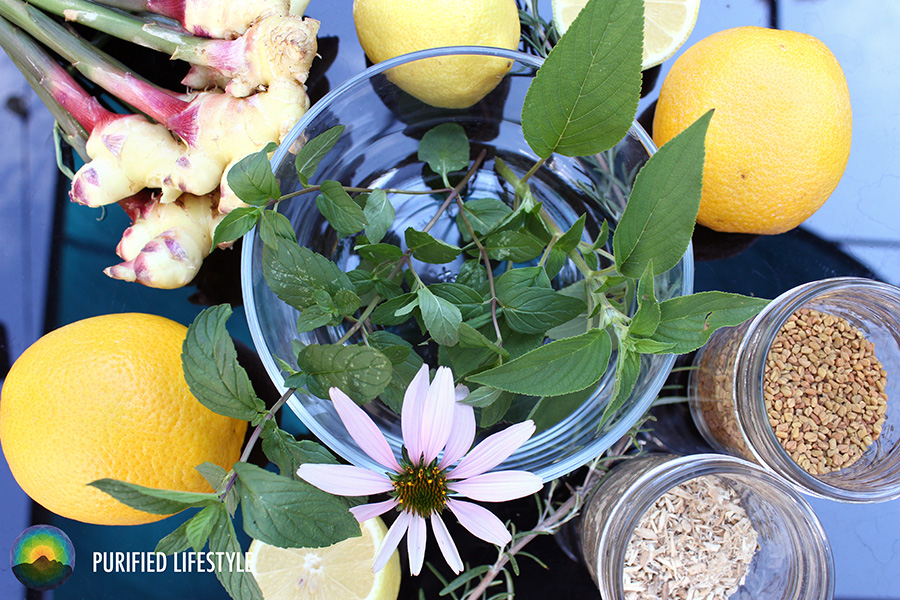
- Brew simple warm teas (ginger, lemon, honey)
- Make a soothing golden milk
- Steam herbs like rosemary, thyme or peppermint leaves and breath in deeply.
- Fill a diffuser with water and eucalyptus, tea tree, and/or lavender essential oils.
- Nasal Care:
- Make a gentle saline rinse (¼ tsp sea salt + 1 cup warm distilled water)
- Use soothing skin barriers such as shea butter, coconut oil, or aloe vera gel under the nose to prevent irritation.
- Cough Care:
- Steep a ½ tsp of fenugreek seeds in boiling water makes an effective expectorant.
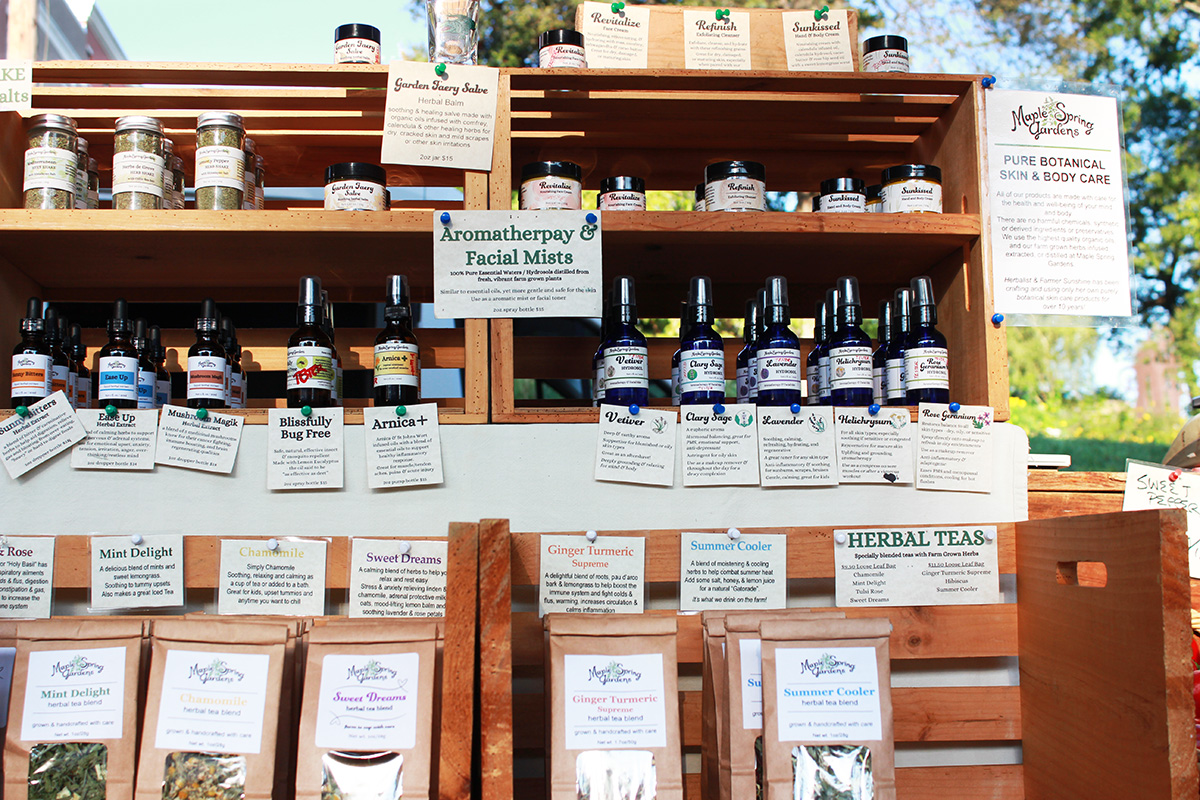
- Tea from a local vendor or DIY Cough & Congestion Tea
- Cold & Flu Shoo and Lymphatic Vigor Tincture
from a local herbalist.
Note: Be mindful of allergies, interactions, pregnancy, or underlying conditions. When in doubt, consult a practitioner.
Light movement
- Gentle stretching or a short walk if energy allows.
- Alternate rest with light circulation to avoid stagnation.
Quick tip: If you only do three things today: hydrate hourly, nap early, and keep foods simple (broth, cooked veggies, easy-to-digest meals).
Foods & Drinks That Support Recovery
- Focus on simple, warm, hydrating: broths, cooked vegetables, easy proteins if tolerated.
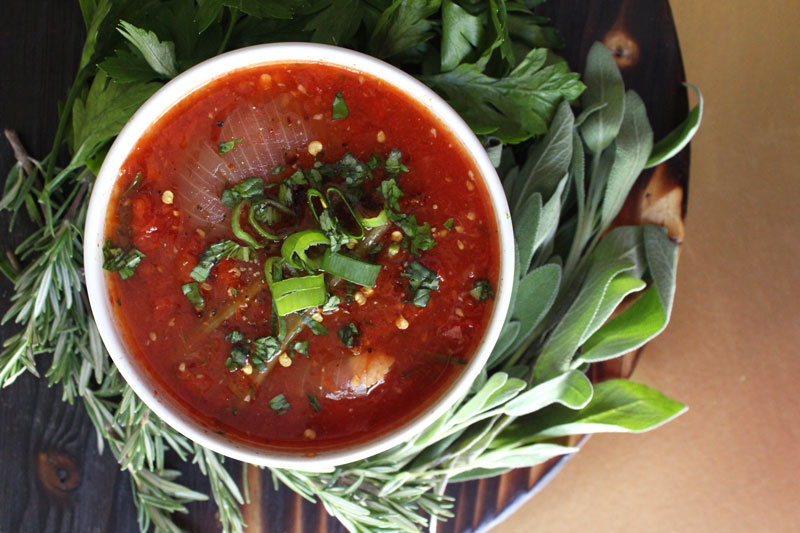
Keep meals simple and soothing: warm broths, soft cooked vegetables, and proteins that don’t weigh you down. Personally, I always reach for a spicy, citrusy Vegan Tom Yom soup it warms me from the inside out. Heavy meats can take more energy to digest, and when you’re sick, every bit of energy counts. Dairy tends to thicken mucus, making it harder to clear. That’s why I often tell people, if you’ve ever thought about trying vegan, being sick is the perfect excuse to give it a go. - Soothing add-ins: ginger, garlic, onion, lemon, and freshly minced herbs sprinkled on top of meals; like basil, parsley, turmeric, rosemary, sage or thyme.
 Avoid
Avoid
 Avoid
Avoid- heavy fried foods, excess sugar, and alcohol while acutely sick.

Mind–Body Support
Stress and poor boundaries around rest can prolong symptoms. Two practices help you recover faster and learn your patterns:
- Breathe & downshift: 4–6 gentle breaths, 3–5 times per day. Or practice a simple Breath Work & Posture Routine.
- Track your cues: jot down sleep, stress, foods, and symptom intensity for 3–5 days.


Long-Term Prevention & Seasonal Rhythm
- Daily anchors: consistent sleep/wake windows, hydration upon waking, and movement you enjoy.
- Strength + flexibility: balanced training supports resilience.
Log in · Join here - Eat with the season: lighter and hydrating in warmer months, heartier and mineral-rich in colder months.
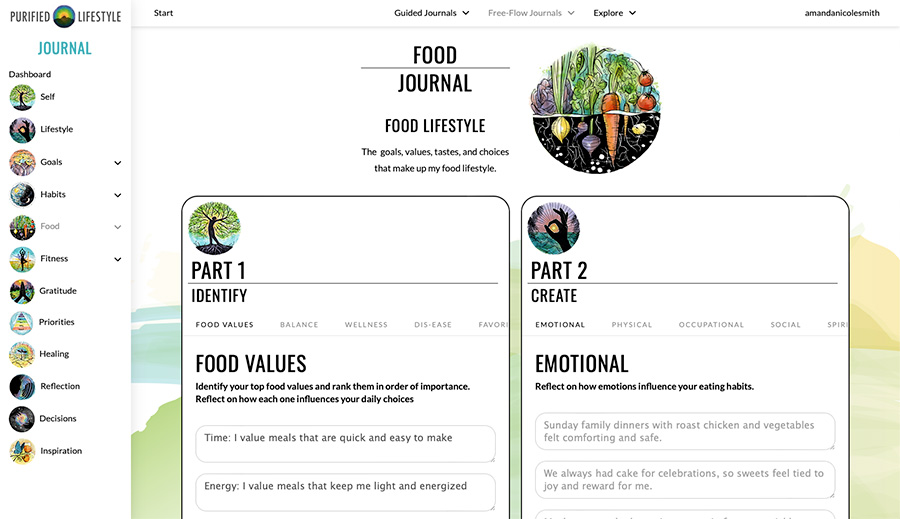
Learn how seasonal rhythm and balance contribute to wellness and apply what you learn in our Guided Pure Food Journal.
When to See a Professional
This article is educational and not medical advice. Seek medical care if you experience:
- High fever that persists or returns
- Shortness of breath, chest pain, severe dehydration
- Symptoms lasting > 10 days without improvement
- Concern for complications (flu, pneumonia) or high-risk groups (infants, pregnant, elderly, immunocompromised)
Key Takeaways
- Respond early: hydrate, rest, and keep meals simple.
- Support gently: warm teas, humidifiers, and light movement.
- Track what helps; protect time for sleep and recovery.
- Build resilience with seasonal rhythm and consistent anchors.
Helpful Resources
- Access Guided Journals & Resources
- Balance : Living with Natural Rhythm
- Flexible Strength (Members) · Join
Next step: Start a simple 3-day recovery meal plan in your journal. Join Purified Lifestyle or Log in to get started.